




What Delicious Foods Can You Make with a Food Dehydrator?
December 5, 2025
A food dehydrator is one of the most versatile kitchen appliances available today. By removing moisture from food at low temperatures, it helps preserve ingredients while maintaining much of their flavor, nutrients, and texture. Many people associate dehydrators only with dried fruits, but they can actually be used to create a wide variety of delicious snacks, ingredients, and even complete meals. Whether you are looking for healthy snacks, homemade treats, or creative cooking ideas, a food dehydrator can become an essential tool in your kitchen.
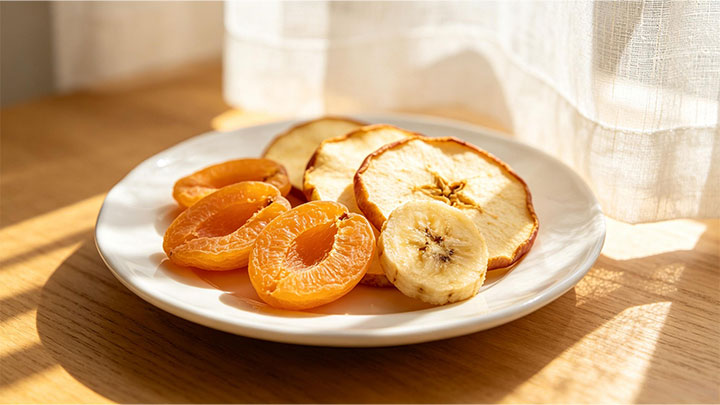
One of the most popular foods made with a dehydrator is dried fruit. Apples, bananas, mangoes, strawberries, pineapples, and peaches all become naturally sweet and chewy after dehydration. Unlike many store-bought dried fruits, homemade versions contain no artificial preservatives or added sugars. Thinly sliced apples sprinkled with cinnamon can turn into a healthy snack, while dried mango slices provide a tropical flavor that both adults and children enjoy.
Vegetable chips are another excellent option. Potato chips are widely loved, but dehydrators allow you to make healthier alternatives using vegetables such as sweet potatoes, zucchini, carrots, beets, and kale. By adding simple seasonings like sea salt, garlic powder, or paprika before drying, you can create crispy and flavorful snacks that are lower in fat than traditional fried chips. Kale chips, in particular, have become popular among health-conscious consumers because they are rich in vitamins and minerals.
A food dehydrator is also perfect for making homemade beef jerky. Jerky is a high-protein snack that is convenient for travel, hiking, and outdoor activities. Beef, turkey, chicken, and even fish can be marinated in various seasonings before being dehydrated. Common flavors include black pepper, teriyaki, barbecue, and spicy chili. Homemade jerky allows complete control over ingredients, making it healthier and more affordable than many commercial products.
Fruit leather is another favorite, especially for families with children. To make fruit leather, fresh fruit is blended into a smooth puree and spread onto dehydrator trays. After several hours of drying, the result is a soft, flexible snack similar to fruit rolls sold in stores. Popular combinations include strawberry-banana, mango-pineapple, and mixed berry flavors. Because fruit leather contains real fruit and no unnecessary additives, it is often considered a healthier snack option.
Herbs are also ideal for dehydration. Fresh herbs such as basil, parsley, oregano, mint, and rosemary can be dried and stored for months. Home-dried herbs often retain more aroma and flavor than commercially packaged versions. Having a supply of dried herbs on hand makes it easy to enhance soups, sauces, roasted vegetables, and meat dishes throughout the year.
Many people are surprised to learn that a dehydrator can be used for baking-related ingredients as well. Fruit powders made from dehydrated strawberries, blueberries, or bananas can be blended and added to cakes, smoothies, yogurt, and desserts. Vegetable powders made from tomatoes, spinach, or carrots can be used to enhance sauces and soups while increasing nutritional value.
For those who enjoy creative cooking, dehydrators can help make healthy crackers and raw food recipes. By combining nuts, seeds, vegetables, and seasonings into a mixture and drying it slowly, you can create crunchy crackers packed with nutrients. These homemade crackers pair well with dips, cheese, or spreads and are popular among people following plant-based or raw-food diets.
Pet owners can also use dehydrators to make natural pet treats. Thin slices of chicken, sweet potatoes, or liver can be dehydrated into nutritious snacks for dogs and cats. Homemade pet treats eliminate concerns about artificial additives and unknown ingredients often found in commercial products.
In addition to snacks, dehydrators are useful for long-term food storage. Dried vegetables, fruits, and meats can be stored for extended periods when properly packaged. This makes food dehydrators valuable for camping, emergency preparedness, and reducing food waste. Instead of throwing away excess produce, you can preserve it for future use.
In conclusion, a food dehydrator is much more than a machine for making dried fruit. It can produce healthy snacks, flavorful ingredients, homemade jerky, fruit leather, vegetable chips, herb seasonings, nutritious crackers, and even pet treats. With a little creativity, a food dehydrator can help you enjoy delicious food while reducing waste and promoting a healthier lifestyle.